15 April, 2026 • 5 min read • By José Bolio
The short answer is yes — Americans can absolutely buy property in Mexico. Thousands do it every year, from condos in Cancún to beachfront lots in Tulum to colonial homes in Mérida.
But the process is nothing like buying a house in the US. There is no MLS, no standardized title insurance, no escrow as you know it, and no regulatory framework remotely comparable to what American buyers are used to. The legal landscape is entirely different — and if you treat it like a US transaction, you will get hurt.
This guide explains everything an American buyer needs to know before purchasing property in Mexico in 2026, written by an independent attorney who represents foreign buyers exclusively.
The Restricted Zone Rule
Mexico’s Constitution (Article 27) prohibits foreigners from directly owning property within the “restricted zone” — a strip of land extending 50 kilometers (about 31 miles) from any coastline and 100 kilometers (62 miles) from any international border.
This means that most of the places Americans want to buy — the Riviera Maya, Puerto Vallarta, Los Cabos, Cancún, Tulum, Playa del Carmen — fall inside this restricted zone.
Does that mean you can’t buy there? No. It means you need to use a legal mechanism called a fideicomiso.
What Is a Fideicomiso?
A fideicomiso is a bank trust. A Mexican bank holds the legal title to the property on your behalf while you retain all the rights of ownership — the right to use it, rent it, renovate it, sell it, pass it to your heirs, or even demolish it.
Think of it as a legal container: the bank is the trustee (fiduciario), you are the beneficiary (fideicomisario), and the property is the trust asset.
Key points about fideicomisos:
- They are established for a renewable 50-year term
- The annual bank fee typically ranges from $500 to $1,500 USD depending on the bank and property value
- You retain full control over the property — the bank cannot sell, rent, or use it
- You can name successor beneficiaries (your heirs)
- The fideicomiso must be established before a Mexican notario público
- Setup takes 4 to 8 weeks typically, sometimes longer
One common misconception: some buyers believe they “don’t really own the property” with a fideicomiso. That’s incorrect. Mexican law treats the beneficiary as the effective owner for all practical purposes. You have full dominion.
Buying Outside the Restricted Zone
If the property you want is outside the restricted zone — for example, in Mérida, San Miguel de Allende, or Mexico City — you can buy it directly in your name through a simple deed (escritura pública). No fideicomiso needed.
Some Americans also choose to buy through a Mexican corporation (Sociedad Anónima or S.A. de C.V.), particularly for commercial properties or investment portfolios. This has different tax and liability implications that should be discussed with an attorney.
The Buying Process Step by Step
1. Find the Property
Mexico has no centralized MLS system. Listings are scattered across individual broker websites, Facebook groups, and platforms like Inmuebles24. This fragmentation means price transparency is poor and the same property may be listed at different prices by different agents.
Our advice: Never rely solely on the listing agent. Get an independent property assessment.
2. Sign a Promissory Agreement
Once you find a property, you’ll sign a preliminary agreement and pay a deposit (typically 5-10% of the purchase price). This document should outline the price, payment schedule, closing timeline, and conditions.
Critical warning: Many developers in the Riviera Maya use adhesion contracts with clauses that heavily favor the developer. These contracts may contain force majeure provisions that excuse virtually any delay, assignment restrictions that trap your investment, and penalty clauses that punish you for circumstances beyond your control.
Have an independent attorney review this contract before you sign. The developer’s lawyer works for the developer, not for you.
3. Due Diligence
This is where many American buyers fail. In the US, title companies handle much of this automatically. In Mexico, you need to verify: title chain (certificado de libertad de gravamen), no-lien certificate from the Public Registry of Property, tax payment history (predial), zoning compliance (uso de suelo), environmental permits, developer permits (for new construction), and condominium regime (if buying a condo).
4. Closing (Escrituración)
The closing happens before a notario público, who is a government-appointed legal professional that acts as a neutral party. The notario verifies the legality of the transaction, calculates and collects taxes, records the deed with the Public Registry, and issues the escritura pública (your deed).
Closing costs in Mexico typically range from 5% to 8% of the property value, which includes acquisition tax (ISABI), notary fees, Public Registry fees, appraisal, and fideicomiso setup.
The Five Biggest Risks for American Buyers
1. No Independent Legal Representation
The single biggest mistake American buyers make is relying on the developer’s attorney or the real estate agent’s “recommended lawyer.” In the Riviera Maya, many attorneys have financial relationships with developers. They are not independent, and they will not fight for your interests.
2. Pre-Sale Contract Traps
Buying pre-construction (pre-venta) is popular but dangerous. Developers frequently miss delivery deadlines by months or years, deliver units with hidden defects, refuse to honor contractual penalties, and use force majeure as a blanket excuse.
3. No Title Insurance Culture
While title insurance exists in Mexico through a few providers, it is not standard practice. Most transactions rely on the notario’s due diligence. If the notario misses something, you may have limited recourse.
4. Currency and Payment Risks
Many transactions are quoted in US dollars but settled in Mexican pesos at the exchange rate on the day of each payment. This creates currency risk. Additionally, large cash transactions trigger anti-money laundering (AML) reporting requirements under Mexico’s new 2025 rules.
5. Distance and Enforcement
When something goes wrong — and it does — pursuing legal remedies from the US is complicated, slow, and expensive. Having an attorney already in place who knows your file, your contract, and the local courts is essential.
Tax Implications for Americans
As a US citizen, you must report worldwide income to the IRS. This includes rental income from your Mexican property (with credits for Mexican taxes paid), capital gains when you sell, FBAR reporting if your Mexican bank accounts exceed $10,000 at any point during the year, and FATCA compliance through your Mexican bank.
We strongly recommend working with a US tax professional experienced in cross-border real estate holdings.
Do You Need a Lawyer?
You need an independent lawyer — one who does not represent the developer, the real estate agent, or the bank. One who works exclusively for you.
At PeninsuLawyers, we represent foreign buyers only. We never work for developers. We review contracts before you sign, conduct independent due diligence, attend closings on your behalf through power of attorney, and fight for your rights when things go wrong.
If you’re considering buying property in Mexico, or if you’ve already bought and are facing problems, contact us for a free consultation.
José Agustín Bolio Halloran is the founding partner of PeninsuLawyers, a real estate law firm exclusively representing foreign buyers in Mexico’s Riviera Maya. This article is for informational purposes only and does not constitute legal advice.
Related Articles
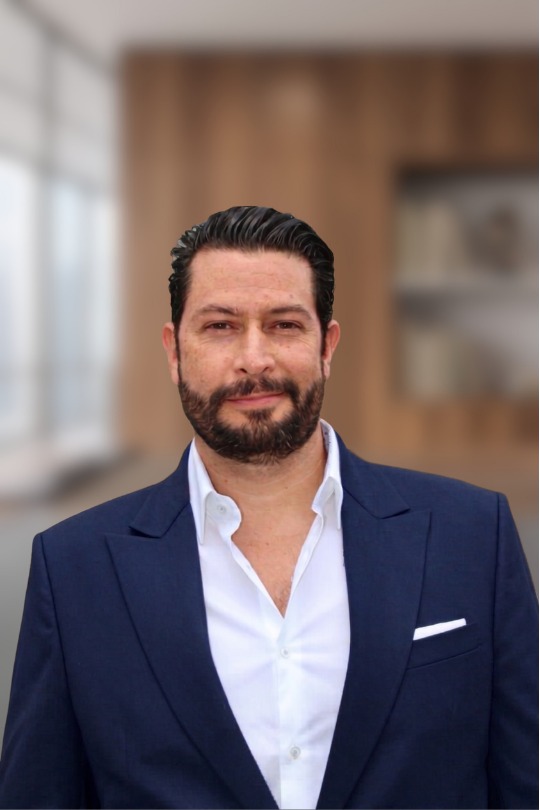
José Agustín Bolio Halloran
Licensed Mexican attorney specializing in consumer protection and real estate dispute resolution for foreign buyers. Over 13 years protecting property investments across the Yucatan Peninsula including Mérida, Playa del Carmen, Tulum, Cancún, and the Riviera Maya.
Protect your investment today
Whether you are buying property or fighting a developer dispute, get expert legal guidance from the Yucatan Peninsula number 1 foreign buyer advocates.